Showing posts with label MCR blog post. Show all posts

Monday, February 17, 2020

Buy Nothing Project by MCR Tara P.

As an MCR, I am always interested in ways to reduce my footprint. This meant frequenting second hand shops, browsing and posting on buy/sell/swap sites, and often reluctantly venturing to Kijiji. While I felt good about not adding to the landfill, it often felt impersonal. When I donated an item to a second hand store, I didn’t know if someone would end up needing it. When I looked to Kijiji, the item was sometimes across the city and I never knew if the deal would fall through by the time I got there. There had to be a better way...

Then by happy accident, I discovered the Buy Nothing Project. Someone in a Facebook group was starting a Buy Nothing group for our area, and was looking for someone to help with administrating the group. I looked it up, and was excited to see that the Buy Nothing Project was exactly the forum I had in mind. It was something that would help people in our neighborhood not only share items and skills, but also help forge personal connections and friendships.

The Buy Nothing Project is an international organization focused on creating a “hyperlocal gift economy.” It provides resources and tools for local volunteers to start up their own Buy Nothing groups on Facebook. Here are the basics: 
  • Membership is limited to those who live within the defined boundaries. This means that all members are your neighbours, not some random Internet strangers.
  • Only posts with gifts, asks, or gratitude are allowed. The group is a positive space for sharing items and friendship, not a place for promoting a business or ranting.
  •  Everything is given or received freely. No trading or selling.
  • You can give your gifts to whomever you choose, for whatever reason. You might pick the person who you feel will get the most use out of it, or the person who posted the cutest pet photo, or the fourth person who requested it. You could pick a person who has given you something in the past, or a stranger so you can make a new connection.
  • Community members' needs are met from within the community. There is no need to refer people to businesses or resources outside the community.
Our group is located in the Aspen Gardens, Greenfield and Duggan area. In one month we have accepted over 120 members! The group is active and growing, and we have already had some blossoming new friendships come out of shared items and experiences.
There are only six Buy Nothing groups in Edmonton. I think we need more, and MCRs are some of the best people to start them. 

What about it, fellow MCRs? Can we have a Buy Nothing Group in every Edmonton neighbourhood?

Check out www.buynothingproject.org for more information. This site has all the information you need about the organization, how to find a group, or how to start one for your own community.


Tara P. is an environmental microbiologist and a gardener, and am currently looking for ways to give back to my community. I like both learning and sharing my knowledge with others. Tara became an MCR in 2018. 

Tuesday, July 16, 2019

Secret Key to Success... Ask Someone

Another installment about Effective MCR Conversations

Master Composter Recyclers (MCRs) meet lots of friends and neighbours who want to do good things for our planet. Our conversations are important for turning good intentions into real actions.

"Research on persuasion demonstrates that the major influence upon our attitudes and behavior is not the media, but rather our contact with other people." - D. McKenzie-Mohr, 2011

I have heard many MCRs celebrate their conversations with others. "I talked about Edmonton's waste system." "I showed off my home compost bin." "We talked about the Reuse Centre." Yes, that's helpful. This raises awareness, opens their eyes, and opens their minds. People hear what happens to garbage after it leaves the curb.

Turning awareness into action: The Ask

If awareness is the first step, then the next is deciding to act.

Get a commitment. Remember to finish every conversation with an "ask."

The "ask" should be small. The "ask" should be achievable. The "ask" should be the right fit for the individual. The best "ask" is one that the person already wants to say "yes" to.

What's so special about an "ask"?

It's so simple that it's easy to overlook the hidden power in an "ask." It's really quite smart.

"Asks" help put our audience in the driver's seat. This shifts the conversation away from abstract ideas and services by the City of Edmonton. The "ask" addresses one specific thing that they can do, right now.

"Asks" also subtly invite our friend or neighbour to make a commitment. Everyone wants to do as we say. So a specific commitment is most likely to turn their words into results.

Great "asks" sound like...

  • Can I count on you to leave your grass clippings on the lawn, next month?
  • Can I count on you to put this "What Goes Where" poster on your fridge?
  • Will you visit my yard to see how I compost?
  • Will you put a box in your home to collect items for the Reuse Centre?
  • Can I count on you to take your batteries and light bulbs to the Eco Station?

Rodney became a Master Composter Recycler in 2008. He enjoys working with passionate volunteers, funny co-workers, and his adorable children. He loves long walks on the beach, fluffing his compost pile, and skiing any time of the year.

More "Effective MCR Conversations"

Previous Give Prompts & Feedback
Next What are the Competing Behaviours?
 

* Doug McKensie-Mohr, Fostering Sustainable Behavior, 2011.

Tuesday, July 3, 2018

"Hello, Let's Eat" - A New City of Edmonton Pilot by MCR Amanda R.

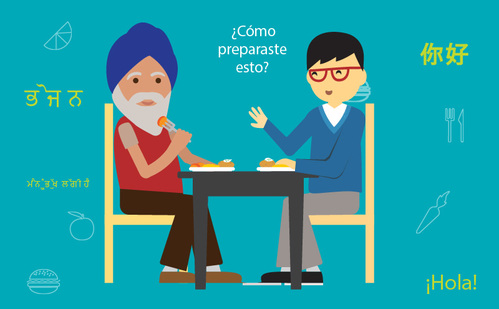
The City of Edmonton is trying a new pilot program called “Hello, Let’s Eat” which lends out dishes for gatherings that foster relationships between neighbours, coworkers, and friends, and get people talking to each other! I wanted to try this program was because I desperately wanted to avoid disposables for my baby’s 100-day party.

The 100-day party is a Chinese tradition that always incorporates food. Our party took place on June 23, 2018. We hosted a casual backyard BBQ for approximately 30 friends, and coworkers.

The process is really simple. Visit Hello,Let’s Eat and fill out the application form.


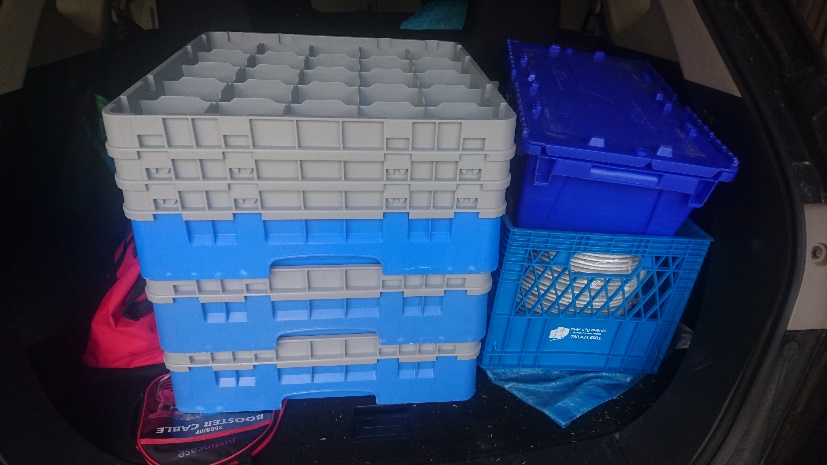
Dishes packed into my vehicle from River City Events
The kits are available in either 12 or 24 settings.  We rented the 24-place settings – as you can see, it’s quite a few dishes!  It included flatware, plates, bowls, water glasses, and soup mugs. The kit also contains laminated placemats with the “Hello, Let’s Eat” logo.

Since our party was on a Saturday, I had to pick up the dishes on Friday, and return them on the following Monday.  I picked them up at River City Events, which is just north of MacEwan University.

One really nice perk of the program is that you don’t need to wash the dishes prior to returning them – simply scrape the food remnants into your compost pile (or the dog bowl) and then give everything a quick rinse.

I hope this program takes off- it’s a simple way to have a waste-free event, foster new and old friendships, and doesn’t cost any money!

Amanda became an MCR in 2016 and has been composting, reducing, reusing, and recycling ever since.  She has hosted information booths on various waste reduction subjects from vermicomposting to grasscycling and strikes up conversations with pretty much everyone about waste. Amanda’s favourite waste reduction strategies are using her tumbler composters (because it's free fertilizer/soil amendment for the garden!), gardening (ie. no food packaging!), and cloth diapers and wipes for her baby, Caspian.


Friday, May 11, 2018

Gifts from the Compost Heap by MCR Maria K.

Republished thanks to Simple Moodlings (October, 2014). Thank you, Maria.


Besides giving me lots of great additive for our heavy clay-based soil, our compost pile gave me four other wonderful gifts this fall...
There were probably a dozen tomato seedlings growing on the top of my half-finished compost bin, so I dug four up and brought them into the greenhouse at the beginning of September (just before that first frosty snowfall on September 8th). Here's what they look like today...
A bit sparse and spindly, but there's fruit on those vines. As the sun is getting weaker by the day, this experiment might only give us a few tomatoes, as there will come a point when heating the greenhouse might seem a bit silly, and I'm not sure bringing these plants into the house will help much as our triple-paned energy efficient windows block out valuable rays. I think most of these are heirloom cherry tomatoes, so it's not like we'll get a big feed regardless, but it's fun to try. 

In the meantime, I'm plugging the benefits of composting to anyone who will listen, and borrowing leaves from family, friends and neighbours for next year's composting (we go through at least 20 big bags of leaves per year, if not more -- I always forget to count!) This year's compost is pretty much used up -- I dug a lot into the garden boxes on Tuesday, and yesterday and today I planted compost with my 113 tulip bulbs. It's nice to know that they have a good start in their compost/soil mix. I can't explain how good it feels to remediate my soil with the good black stuff I worked on making most of the summer. Way better than any chemical fertilizer money can buy!


If you like the idea of composting, but aren't sure how, there are likely books at your public library, or courses in your community. Failing that, feel free to leave a message below and I'll get back to you!

Visit edmonton.ca/compost

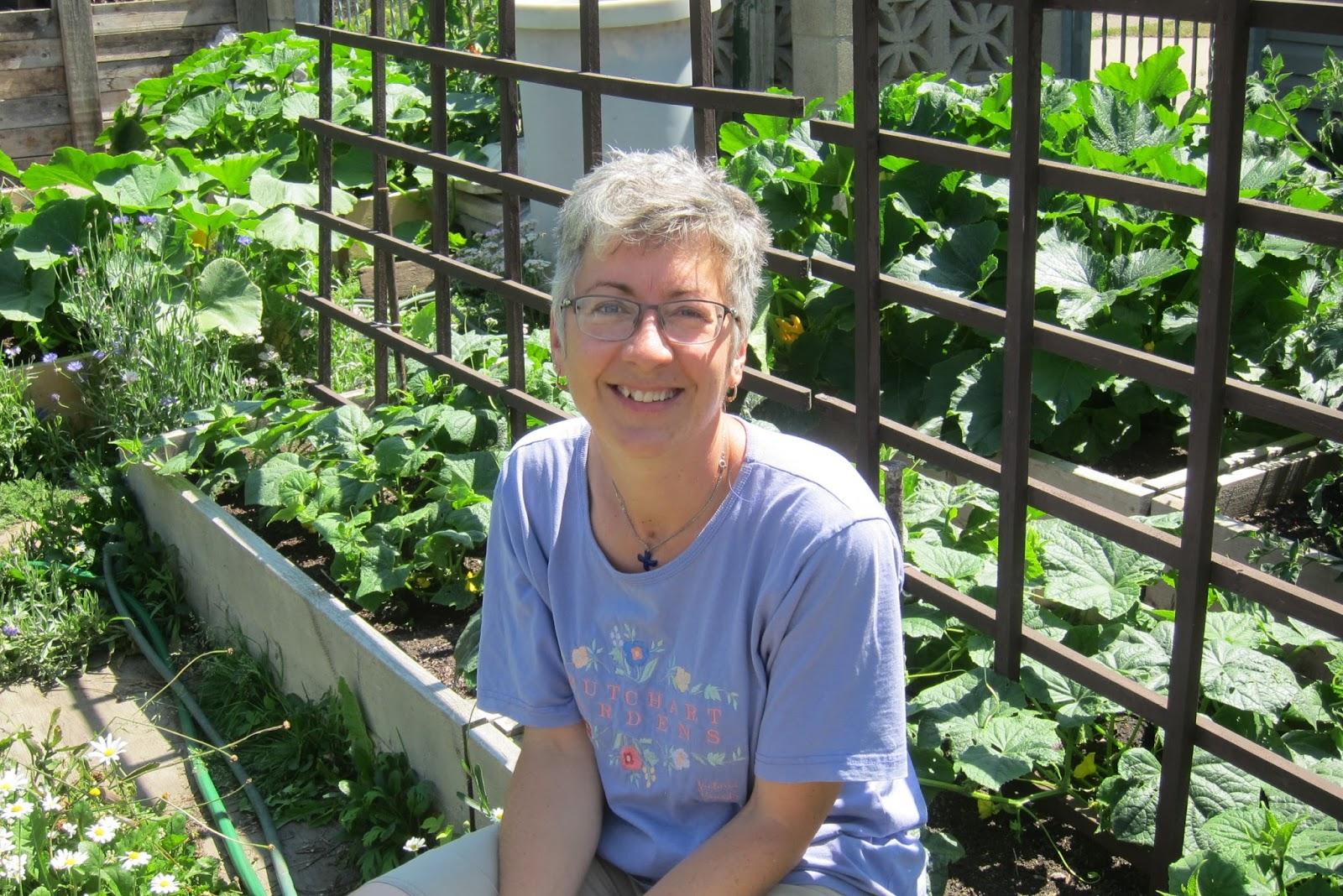
https://blogger.googleusercontent.com/img/b/R29vZ2xl/AVvXsEi0rpOkCnkGfFwWsKzxYRp1u6fVQRuft73SmKLoed6h0dNLiude6Bi5-WzQuMpXrX7T32MByJyr76Jj452VB_oa7aQbvaT-b5J24HGz2kKaFU0424ouQndXobRm8H4HkMBeJU9mMvtM1ok/s1600/Maria+K+for+blog.jpgMaria K. is an MCR who is all about living simply, reducing consumption and waste, gardening, and feeding the soil we depend on for good food. She has more Simple Suggestions at simplemoodlings.blogspot.ca.


Thursday, April 12, 2018

Four Key Ingredients for Composting by MCR Mildred T.

Greens
These materials are moist, have lots of nitrogen, and less carbon.
  • kitchen scraps
  • fresh plant material
  • peelings
  • anything fresh from a plant
Browns
These materials are dry and rich in carbon.
  • fall leaves
  • dried grass
  • saw dust
  • straw
  • shredded paper
Water
Some water is required for food to break down.
  • Sometimes I take the lid off my compost bin before it rains.
  • I add any unused water, when I change my pet's water dish.
  • Whenever I cook pasta, rinse rice or beans, or wash vegetables, I save that water and add it to my compost.
    (Note: I stopped adding salt to my pasta water, to keep it out of my compost.)
Air
Without oxygen, compost breaks down anaerobically. It smells bad and composts slowly. So mix your greens and browns, add water, and then poke some holes in the compost pile. Use something like a long handled weeder or an old broom handle.

This brings air and oxygen into the pile and helps it break down to become a soil amendment.
  • Fluff once a week, from spring to fall.
For More Info & Help
Visit edmonton.ca/compost
Call 780-495-5526
Email compost@edmonton.ca
Go to Compost 'S cool


MCR Mildred T.
Mildred T. became a Master Composter Recycler in 1991. She was part of the first training group of the MCR Program. She was advocate for waste reduction before and ever since. Her motto has been "think globally, act locally."


Tuesday, March 27, 2018

My Staple Collection by MCR Rodney A.


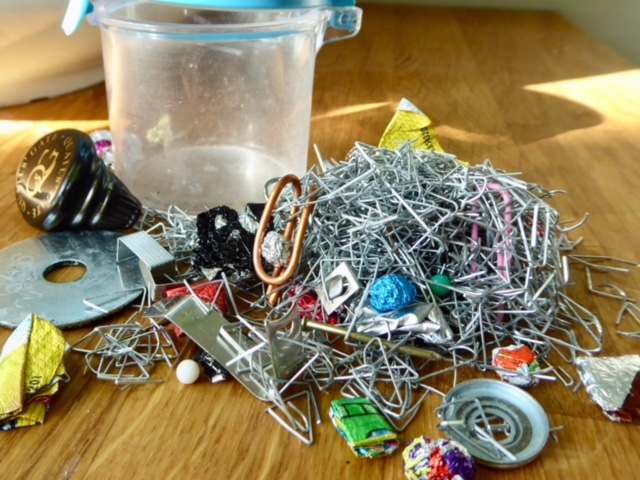
This container is cute, it's little, and it's visible. 


It sits in front of my desk and reminds me of small successes, everyday.


~2 years of collecting bits. <500g of mixed metals.


I put this in a soup can and crunch the can closed.
I take it to an Eco Station and throw it in the "Scrap Metal" bin.


What odd items do you collect for recycling? reuse? or composting?
Visit edmonton.ca/recycling

Rodney became an MCR in 2008 and it still enriches his life for the better. He searches for new ways to collect and sort, reduce and reuse. Collecting staples doesn't work for everyone and that's okay. It sure works for Rodney.


Monday, March 19, 2018

My Experience as an MCR by MCR Sarah F.

I first heard of the Master Composter Recycler Program in May 2011. I had only just become interested in being green and was doing what I knew I could: recycling items that were recyclable, bringing a reusable to-go cup with me when I bought coffee, and taking fabric bags to the grocery store.

I wanted to find out how I could do more, and everywhere I looked it seemed the two best ways to be environmentally conscious were to have a garden and to compost. When I searched for courses in Edmonton, I came across an ad for the Master Composter Recycler Program and it seemed like exactly what I was searching for. I marked when the next training would start (almost a full year away) and eagerly awaited my chance to be a part of the program.

I applied for the MCR program with a friend of mine from work. Other people we worked with immediately dubbed the program “Garbage Club” and for the remainder of the training remained convinced that we were playing with garbage whenever we had class (which I assure you, we did not). Despite the teasing, they always wanted to know exactly what we had learned - there would be a group eagerly awaiting us the morning after each class. People at work started recycling their bottles, taking to-go mugs for coffee runs in the day, and a couple even starting asking questions on how they could start their own compost bin. Clearly, our excitement was contagious! 

From the moment I walked into the first class, I knew I was going to love it. The training was made up of a very varied group- women and men from their 20’s-60’s. Despite the difference in age and occupation, we had a lot in common - our love for the environment, our desire to expand our knowledge, and the passion to teach others what we were learning. 

The classes themselves were packed full of information- teaching us what could or could not be recycled, how garbage was collected within Edmonton, different styles of composting that were available, as well as lessons on how to be a better public speaker and different ways we could volunteer around the city. Each class I would arrive, tired from my day at work and instantly feel a sense of rejuvenation as I walked into the class, other people’s excitement increasing my own. 

Recycling collected in a SINGLE day!
On each Saturday, we went on a different field trip. The first week we toured the Edmonton Waste Management Facility, and it was amazing- we watched employees sort the recycling by hand, after some items had been machine sorted. We also saw the full garbage sorting process from the first stage, where the garbage is dropped off,  to the last where several machines  to separate the organic compostable goods from non-organics. Those end up in the landfill. Finally, we actually got to see the large piles of compost that Edmonton has as a result of the sorting done. This is the waste of every Edmontonian, which without any effort on the residents part,  is separated and processed in a large building, where later the compost is sold to those who would like to purchase it. I've never seen or heard of another city that puts this effort into reducing the waste that goes into the landfill.

It sounds impossible, but the second week’s field trip topped the first. It was what I had been excited about since I had first learned I was accepted for the training - we learned how to compost! Before this training, I thought there was one type of compost. I thought you put your food scraps into a pile and a few months later, the food had magically become soil. This is not the case AT ALL! There are so many different types of composting- vermicomposting, bokashi composting, lasagna composting, hot composting, lazy composting- the list just kept going! It truly showed that no matter where you live, the space you have, or how much free time is available, there is always a way to compost!

Making worm bins of our own!
The final Saturday was the last MCR class, and it was met with both excitement and sadness. The end of our training signalled the the phase as a Master Composter Recycler; it was time to give back to the program and to the community. The entire Master Composter Recycler Program is provided to the attendees free of charge, and in response, each member volunteers 35 hours in the next year. Chances to volunteer are provided by the City, but we could also create our own opportunities - such as having a movie night with friends to watch an environmental movie, or even talking with people about how to compost. This is our way to thank the City for having such a wonderful program, and taking the initiative to be green. It is also our opportunity to get more people interested in being green and making the world a better place.

To quote Dr. Seuss, “Unless someone like you cares a whole awful lot, nothing is going to get better. It’s not.” The graduates of MCRP do care, and by giving back through volunteering, we’re hoping to continue to get more and more people to care too.

Looking back at that training, I am so thankful to have been a part of the program. It truly makes me proud to live in Edmonton and tell other people the how the City is working to ensure we leave as small of a footprint as possible. I look forward to continuing to volunteer in our city for years to come, helping to teach others how easy it is to reduce our waste!

---

Sarah completed her MCR training in 2012.


Wednesday, March 7, 2018

Time to Save Your Eggshells by MCR Maria K.

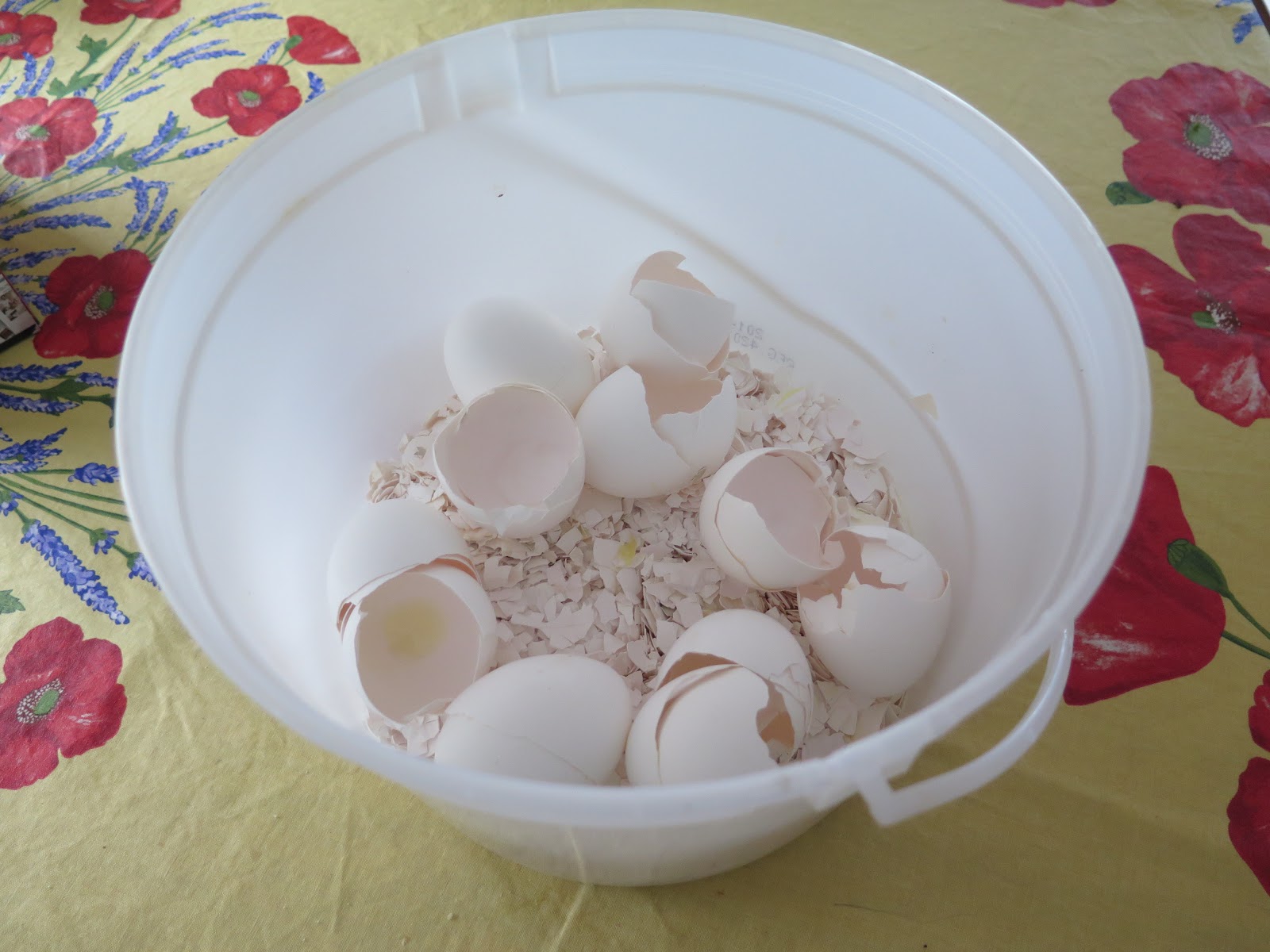
As an avid gardener and Master Composter Recycler (class of 2007), I’ve learned a lot of wonderful garden tips that have helped to reduce the work of our City’s waste collectors. Here’s a small and simple trick, one of my favourites, that I employ every year, all year long, and it’s really easy!


There’s an ice cream pail under my kitchen sink, all year, for eggshells. Why? Because they are an excellent mineral resource and slug discourager. I don’t even bother to wash them because I find they dry out in the pail. When my pail gets full, I take a potato masher and mash them down so that I can add more. By spring planting, I usually have a pail or two that are at least three-quarters full. (My family likes eggs, what can I say?)

Eggshells have nice sharp edges, so I use them pretty liberally wherever I plant lettuce and other veggies that slugs consider tender vittles. Basically, I plant the seeds in the soil, and cover the seed bed with eggshells, and the plants find their way through, no problem. In a few weeks, it looks quite pretty, eggshells with greens.

Tomato plants, in particular, really appreciate the calcium from mashed eggshells. I try to keep some on hand at all times and use a few hand-fulls wherever I see slug trails in my yard. You could say my slug population has really decreased over the last ten years!

And here’s a little bonus tip: When you get your hair cut, ask for the trimmings. Turns out hair is a nice source of slow-release nitrogen – another favourite snack of most plants.

Why give away eggshells and hair clippings (pet fur, too) when they are great resources for growing things?

Even if you’re not a gardener, chances are that you know someone who is. Offering them your eggshells is a great conversation starter about waste reduction. Why not try it?

Visit edmonton.ca/compost


https://blogger.googleusercontent.com/img/b/R29vZ2xl/AVvXsEi0rpOkCnkGfFwWsKzxYRp1u6fVQRuft73SmKLoed6h0dNLiude6Bi5-WzQuMpXrX7T32MByJyr76Jj452VB_oa7aQbvaT-b5J24HGz2kKaFU0424ouQndXobRm8H4HkMBeJU9mMvtM1ok/s1600/Maria+K+for+blog.jpgMaria K. is an MCR who is all about living simply, reducing consumption and waste, gardening, and feeding the soil we depend on for good food. She has more Simple Suggestions at simplemoodlings.blogspot.ca.


Friday, January 19, 2018

You Are What You Don't Eat by MCR Eve C.

A Book Review: Two Perspectives on Food Waste

Statistics on food waste are sobering. In the US, it is estimated that 40% of food produced is not eaten.[1] In Canada, only 71% of the calories purchased are actually consumed.[2] However, despite growing awareness of this issue, food waste numbers have not budged. Although the problem can be clearly articulated, it is much less clear why we are so wasteful and what we can do about it.

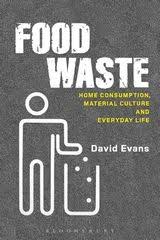
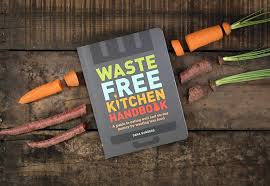
  Two books, David Evans’ Food Waste: Home Consumption, Material Culture and Everyday Life and Dana Gunders’ Waste Free Kitchen Handbook: A Guide to Eating Well and Saving Money By Wasting Less Food provide a much needed practical look at food waste on the individual level. Rather than simply bemoaning our culture of disposability, these books provide evidence-based insights into why people actually waste food.

  Evans’ book is a sociological study of individual food waste habits in a neighbourhood in the U.K. He approaches the issue from a refreshing perspective. He emphasizes that he is not aiming to write a polemic on the issue or to judge individuals for their waste, but instead tries to understand why people cannot seem to stop wasting large quantities of the food they buy. Evans’ focused look on a dozen or so people shows that individuals’ reasons for waste are very different, and hence any change must focus on these individual motivations. 

  The modern tension between the desire to eat as healthily as possible and a lack of time seems to be at the root of much food waste. Busy lives lead to routine, including buying the same items each week whether or not last week’s groceries have been used up. The people described in Evans’ book also sometimes abandoned plans for healthy meals and snacks in favour of convenience food, which is cheap and readily available. Several of the individuals wrongfully believed fresh produce is always better than frozen vegetables and fruit. This misconception often leads to greater food waste, especially when only a small part of a vegetable is used to produce a healthy meal, and the rest discarded.

   In Waste Free Kitchen, Dana Gunders provides realistic solutions to the food waste problem. Her credentials make her an expert on this issue; she works as Senior Scientist at the US Natural Resources Defense Council (NRDC). Similar to Evans, she identifies a number of typical reasons for excessive food waste:

      • Wishful thinking: for example, buying ingredients to make a healthy smoothie, even though you do not like smoothies.
      • Too-large portion sizes: many of us buy and cook meals with portion sizes that are often beyond what we can, or should, eat. For example, recipes in the classic cookbook, The Joy of Cooking, have increased by 33.2 percent since 1996.
      • Lack of kitchen know-how: we either buy food we do not know how to prepare, or lack the skills to incorporate leftovers into future meals.
The overall framework of Gunders’ book is based on simple suggestions that we have all heard before:

      • Meal plan and shop with a list.
      •  Use an online portion calculator to ensure you are not cooking too much.
      • Plan ahead. Do not assume you will cook everything from scratch or even home cook every meal. How often do you end up meeting and eating with friends and family? Be realistic.
Gunders also provides a number of scientifically-sound tips regarding food storage and safety. A major reason why people dispose of food is because they are not sure if it is still safe to eat. Erring on the side of caution, they toss items that are still perfectly safe.

   Food poisoning can be very serious, even fatal, and people are not willing to risk their families’ health unless they are given sufficient information about when food becomes unsafe to consume. Gunders does an excellent job providing consumers with useful information meant to help them confidently make decisions about food safety in their own kitchens. She prefaces this information with a disclaimer that special groups need to be more careful: individuals who are pregnant, babies and toddlers, the elderly (75+), and those who are immune deficient.

   Gunders explains that food poisoning is usually either due to infections by living microorganisms or toxins they produce or other toxins in food, not by the decomposing process per se. This means that anything that will make you sick is usually in the food before you even get it, and does not just develop as perishables age.  

   Furthermore, and despite their ubiquity on packaged food, expiration dates are not regulated, and are not reliable indicators that a food is, or is not, safe to eat.[3] It is entirley up to manufacturers to decide how to date their food. The date could be based on lab or consumer tests, and often indicates when the food is no longer at peak freshness, rather than having anything to do with food safety.

   Surprisingly, eggs are OK to eat 3-5 weeks after sell-buy date. Given that many stores only sell eggs by the dozen, it is very helpful to know that an egg does not go bad as rapidly as the sell-by date would suggest.


Gunders’ tips about properly organizing your fridge were also very interesting and easy to implement:
      •  For maximum longevity, stand up some produce in the fridge, in a glass or container of water, resembling flowers in a vase: cilantro, basil, asparagus, kale, etc. (From my own experience, I would recommend dedicating a container as an herb vase to avoid scents from absorbing into your glasses.)
      • It is key to keep your fridge at 4°Celsius. It is might be helpful to buy a thermometer if you don’t have one in your fridge already.
      •  The bottom shelf is coldest, so keep meat there. This is also good in case meat drips.
      •  Keep an 'Eat Me first box' to make items that need to be consumed visible.
      •  Keep nuts in the fridge if they will not be used up in a week or two.
   The book concludes with a directory listing common foods and includes valuable information for each - how long it lasts, how to store it, freeze it, keep it in a root cellar, use it up, or even revive it. Gunders also included recipes for foods that are more difficult to use up: including “anything-goes -soup”, sautéed lettuce, and frozen banana purée.

   Although food waste may not simply be conquered by exposing people to alarming statistics-if we become attuned to the reasons why we are wasting food-we may be able to make small changes in our habits to ensure that more of the food that we buy is actually eaten.  

-Sources- 

Food Waste: Home Consumption, Material Culture and Everyday Life: by David Evans. Bloomsbury Academic: London, 2014.

Waste Free Kitchen Handbook: A Guide to Eating Well and Saving Money By Wasting Less Food: by Dana Gunders. Chronicle Books: San Francisco, 2015.


[1] Waste Free Kitchen.
[2] https://www.statcan.gc.ca/pub/16-201-x/2009000/part-partie1-eng.htm
[3] With the exception of baby formula. 


Monday, December 4, 2017

Card-tastrophe by MCR Leah A.

How to Use Gift Cards Smartly & Avoid Card-tastrophe This Holiday Season


It’s the holiday season, and if you feel the looming pressure to find gifts for an ever growing list of friends and family, you might consider gift cards. They have become the default option for many people with little time to shop. Heck, it seems they have walls of them in grocery and drug stores everywhere. On a global scale, over $585 billion US dollars were spent on gift cards in 2016 [].

If you go the gift card route this season, you won’t be alone. Besides, it might just be the gift your family and friends are looking for…Is this type of gift always such a great card-tastrophe?

After all, gift cards allow the recipient to choose their own purchases, which prevents overconsumption and promotes sustainability. They can be thoughtful gifts as long as you keep the wishes and needs of the recipient in mind. A lucky person in your life might say: “A gift card to <store>?! I love shopping there!” Gift cards are also fitting for small gifts between acquaintances. You might decide to treat a colleague or teacher with a card to their favourite coffee shop as a small token of appreciation for their good work. Make sure you give cards to people you know will use them. In some cases, the money you spend may not even be redeemed -- people misplace cards, or find them to be a hassle to use.

But what happens to the gift card after its value has been exhausted? Most of us hold on to these cards for a while before tossing them. After all, how many cards can one person reasonably carry around in their wallet? If you take them back to the businesses, the staff there will likely toss them out, unless you reload them.

When dumped in a landfill, these cards add to our collective mountain of plastic waste. Sigh.

And you thought paper cups were the issue.
One super easy way to reduce the amount of excess gift cards is to reuse them. Most can be reloaded or re-gifted without anyone noticing. But when we consider the hierarchy of the three R’s, ideally, we would be reducing the number of plastic gift cards in circulation.

Alternatives to PVC Plastic Gift Cards

●     Check if there is an electronic gift card option. These can be sent via email meaning no card will clutter up your wallet; they can also be easily accessed through your phone so you are less likely to forget to use up the full amount. Electronic gift cards can also be printed on regular paper which is much easier to recycle.

●     Have you heard of Bank of Canada gift cards? (Hint: It is just cash!) Cash, e-transfers, or a personalized cheque still gives the purchasing power to the gift recipient. You can make it more personal by suggesting what they spend it on. Write your intentions on the memo line, in the card, or as the security question.  e.g.: “Happy Bastille day! I hope you’ll use this money to treat yourself to an indulgent pastry.”

●     Make your own gift coupons! Give a voucher for a coffee date, a spa excursion, a weekday dinner, or anything you like! One Artsy Mama has these Homemade Holiday Ideas

Making your own holiday coupons can be a great way to go the extra green mile and reduce your gift purchases.
Finally, you can lighten up the financial burden of the holidays by reaching out to friends and family and agreeing not to exchange gifts. Trimming your gift giving list can free up your time to attend holiday parties and reduces the stress of credit card bills in January. Adam Conover, host of Adam Ruins Everything, makes a convincing argument in favour of a gift-less holiday season. He explains the economic problems with gift giving in this video clip. Sometimes, no presents can wind up being the best gift you can possibly give!

As for what to do with those plastic gift cards that you can’t reduce or reuse? You can mail them to a company called Earthworks. They ask you to fill out this form for specific instructions -- but you do not have to subscribe to anything. Aside from gift cards, they also take any plastic cards (rewards cards, hotel keycards, etc.) made from PVC. They recycle them in America into new cards while at the same time offering an alternative version without the PVC. If you want to keep everything in Canada, you can order a box for collecting cards from TerraCycle, though it does cost a bit more than sending an envelope to EarthWorks.

Here’s to a holiday season for us all with more time to socialize, less stress, and gifts that need no recycling. Cheers!
---

Leah joned the MCR ranks in May, 2014. She believes that urban environments offer a real opportunity to make the world increasingly sustainable. Favored topics include composting, urban design, and minimalism.


Friday, December 1, 2017

The A,B,Cs of a Great Back Alley Display by MCR Patti D.

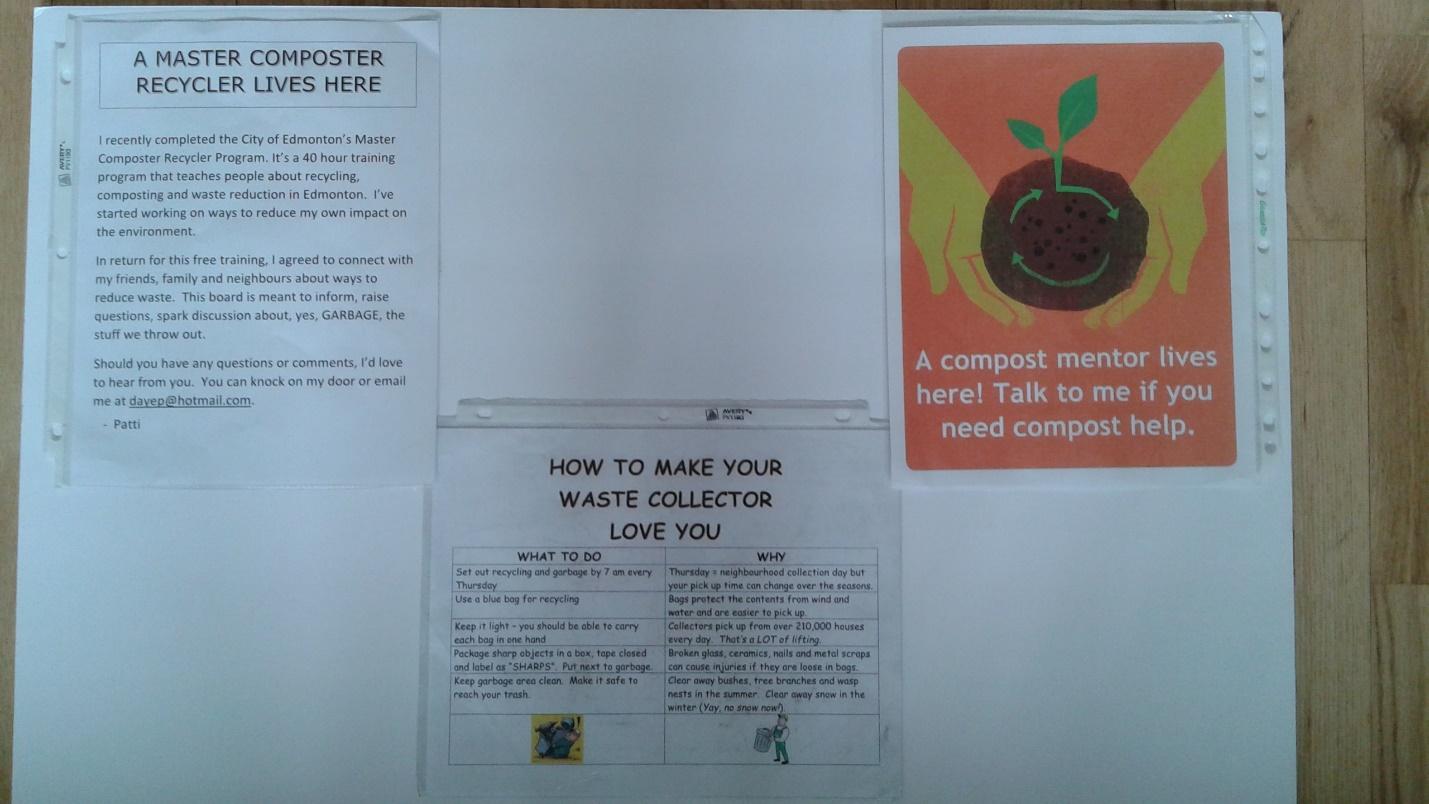
I live in an older area with neighbours who frequently walk their dogs through the back alleys.  My MCR personal project was to create a back alley display about waste reduction.  How hard can that be, I thought?
  • Go to the dollar store. 
  • Get a display board. 
  • Create signage about waste reduction. 
  • Put the signs in page protectors. 
  • Change the signs each week. 
  • Start conversations. 
Voila – my 35 volunteer MCR hours are filled in no time!
Challenge 1:  Rain.  The display board from the dollar store was not waterproof.  After the first heavy rain, it was destroyed. Although I must note that there were pieces remaining around the screws that I had used to attach the display board to the fence...
Solution:  I spent $5 more and purchased composite wood board from Home Depot.  The sales clerk assured me it should last at least 2 years.
Challenge 2:  Wind.  I placed the signs on the board one day and proudly went out the next morning to inspect them.  All the signs were missing. I later located all the signs down the alley.
Solution:  I stopped using thumb tacks and used heavy duty staples to tack the signs to the board.
Challenge 3:  Wind AND Rain:  I placed the signs in page protectors with the openings at the bottom – smart eh?  The rain will not move upwards!  Wind will actually move the rain upwards and the page protectors did not help against rain.  The beautifully coloured signs looked like runny rainbows displayed in plastic envelopes.

 I’m VERY pleased to report that once I decided to use quality products, my back alley display was in much better shape.  
Solution:  Ordered expensive self-laminating sheets from Staples.  All signs are laminated front and back before they are stapled to the composite wood board.
Challenge 4:  Procrastination.  I blame it on loss of momentum.  I spent three weeks working on solutions to the first three challenges. Once I got those sorted out, I found that my enthusiasm for this project diminished.  I found other stuff to do over the summer and my signs were NOT changed once a week.  
Solution:  There is no solution; I am a procrastinator.  Regardless, I’m very proud of the signs I have created to date AND -  now that I have worked out solutions - it’s a simple matter to create a new sign, laminate it and place it in my Back Alley Display.
Challenge 5:  Conversations.  This did not spark as many conversations as I’d hoped.  In my dreams, I had people coming up to me, eager to take in the knowledge that I had to give. I had one neighbour admit to me that she did not compost as if it was a dirty little secret. Another asked me to come by her place to discuss garbage versus composting. I had hoped for a lot more interaction.  
 A compost mentor lives here. Talk to me if you need compost help. 

Solution:
 The feedback I’ve received from other neighbours tells me that they ARE reading my signs; one neighbor walked by and I heard him explain to his son what grasscycling is.  Through the signs, people in my neighbourhood have started to think about waste reduction.  Here’s to my next six months!
---

Patti loves Edmonton and wants to help make it an even better place to live. She is now worm composting and started her first outdoor compost, this year. She has enjoyed sharing her knowledge with her neighbours at their annual block party. She keeps a box in her basement to store old batteries and light bulbs. When it's full, they take a trip to the Eco Station.